Best Espresso Cups: Size, Heat, and Sets Worth Buying
The best espresso cups match shot volume and keep heat without feeling like soup bowls. Here is how to choose size, plus two Sweese sets that work at home.
By Alex Turner
Baristapicks is reader-supported. As an Amazon Associate we earn from qualifying purchases. Learn more.
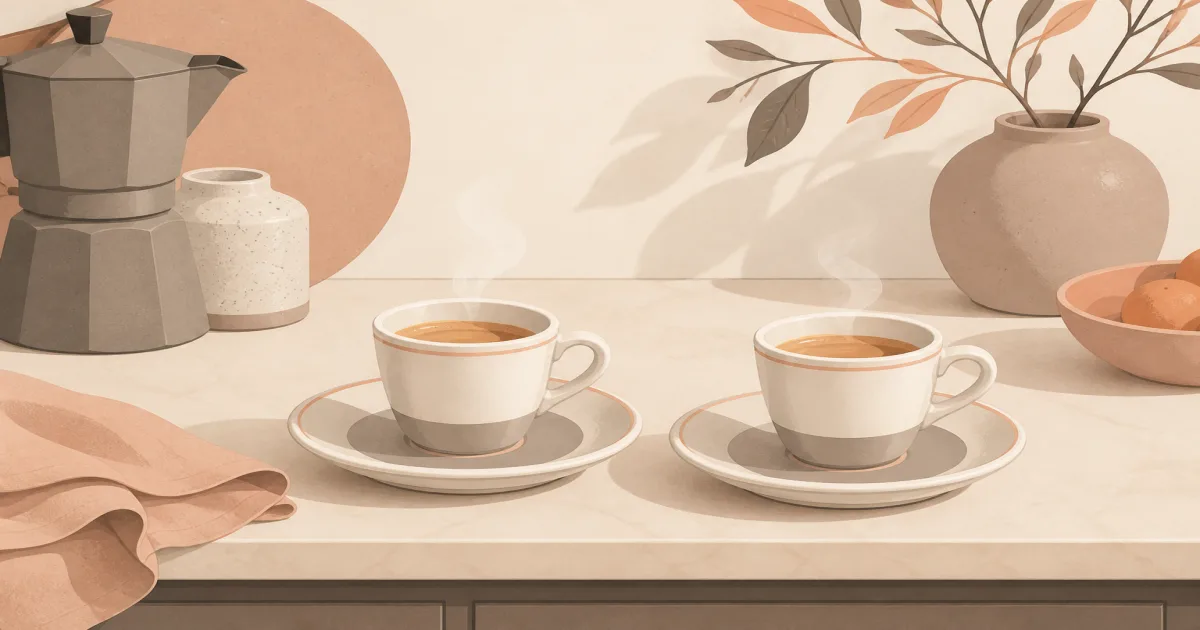
The short answer: The best espresso cups are small enough that a shot looks intentional and thick enough to hold heat. Choose the Sweese 2 oz set for classic demitasse service. Choose the Sweese 3.5 oz set if most of your drinks are doubles with a little headroom.
Our picks
A great shot in a giant mug cools fast and looks sad. A tiny cup that overflows is annoying. Size is the buying decision. Style comes second.
This is a practical home guide, not a ceramics museum tour. Pair cups with a machine you will actually clean. See how to clean an espresso machine if that habit is still shaky.
Demitasse vs double cup
If you mostly drink lattes in 10 oz mugs, you still want a small cup for tasting straight espresso. Milk hides faults. A demitasse tells the truth.
Classic demitasse: Sweese 2 oz set
The Sweese 2 Ounce Espresso Cups with Saucers are our pick when you want the classic look. Porcelain beats flimsy thin walls for weekday heat. A set of six covers guests without hunting mismatched glass.
Preheat with hot water when you remember. A cold 2 oz cup steals heat from a short shot fast.
Double-shot friendly: Sweese 3.5 oz set
If your normal pull is a double, the Sweese 3.5 Ounce Porcelain Espresso Cups give more comfort. You get thickness and dishwasher-safe porcelain without jumping to a breakfast mug.
Singles will look a bit small in them. That is fine if doubles are your house default.
What matters more than brand stories
Thermal mass. Thicker porcelain holds heat. Ultra-thin novelty cups look cute and cool faster.
Rim shape. A comfortable sip rim matters more than Instagram glaze photos.
Stability. A cup that tips when you set a portafilter nearby will ruin mornings.
Care. Dishwasher-safe porcelain wins for daily use. Hand-wash only sets get left in the cabinet.
Glass, enamel, and gimmicks
Double-wall glass looks modern and shows crema. It can be great. It can also shatter in a busy sink. Enamel camping cups are fun for trips and poor for tasting at home.
Skip cups that are really dessert ramekins with handles. Measure volume before you fall for a colorway.
Matching cups to your drinks
Straight espresso and tasting: 2 oz demitasse.
Mostly doubles: 3.5 oz class.
Cortado nights: keep a slightly larger ceramic nearby, or use a small glass designed for short milk drinks.
Big milk drinks: use proper latte cups. Do not force a 12 oz drink into an espresso set.
If milk texture is the weak link, fix the wand or frother next. See best milk frother.
A simple buying rule
Buy one set that matches your most common shot. Add a second size later if you entertain. Matching six cups you never use is clutter, not hospitality.
Preheat, pull, taste. Then decide if you need another shape. Gear stacking is how drawers fill up with orphans.
Color, handles, and daily use
White porcelain shows crema clearly and matches most machines. Colored sets are fine if the glaze is food-safe and the rim stays smooth after dishwasher cycles. Avoid cups with awkward handles that force a claw grip when the ceramic is hot.
Stackability helps small cabinets. Saucers help serving. Neither matters if the volume is wrong. Get size right, then pick the finish you will leave on the counter instead of hiding in a box.
If you share the kitchen, buy a set large enough that two people are not fighting over one demitasse. Six cups sounds like a lot until weekend guests arrive and every mug in the house is dirty.
Espresso tasting tip with new cups
Pull the same recipe into your old mug and the new cup on the same morning. Note heat after two minutes and how the aroma hits. A good espresso cup should keep the drink warmer and make the smell easier to catch. If the new cup loses heat faster, it is the wrong tool no matter how pretty it photographs.
Use that tasting note before you buy a second colorway. One honest set beats three decorative ones.
Gifting and starter kits
Espresso cups make a better gift than another mystery gadget when someone already owns a machine. Include a note about preheating and size. Pairing cups with a simple cleaning reminder is kinder than assuming they want more chrome.
If you are building a starter counter, buy cups after you know your default drink. Machine first, then grinder path, then cups. That order prevents a beautiful demitasse set sitting idle while you still drink drip from a travel mug. For machine shopping, return to best espresso machine or the beginner guide linked above.
Bottom line
The best espresso cups respect volume and heat. Start with Sweese 2 oz for classic demitasse service, or Sweese 3.5 oz for everyday doubles. Preheat when you can, and keep a tasting cup even if most drinks become milk drinks later.
Explore more home espresso guides on the blog, or begin at the homepage for the full Baristapicks map.
Frequently Asked Questions
What size are the best espresso cups?
Classic demitasse cups are about 2–3 oz. Doubles often feel better in about 3–4 oz cups. Larger than that starts to drink like a small coffee mug.
Do espresso cups need saucers?
Saucers catch drips and make serving nicer. They are optional for solo weekday shots, handy for guests.
Are glass double-wall cups better?
They look sharp and can feel insulating. Porcelain still wins for many people on heat stability and a classic sip. Buy what you will actually use.
Should I preheat espresso cups?
Yes when you can. A rinse of hot water keeps a small shot from going lukewarm in a cold ceramic shell.
Can I use espresso cups for cortados?
A larger 4–6 oz cup fits cortados better. Keep a demitasse set for straight espresso and a slightly larger set for short milk drinks.