Best Moka Pot: Size, Stovetop Heat, and a Simple First Pot
The best moka pot is still the classic aluminum Bialetti in a size you will fill. Start with the 6-cup for most kitchens, or the 3-cup if you only brew for one.
By Nate Brooks
Baristapicks is reader-supported. As an Amazon Associate we earn from qualifying purchases. Learn more.
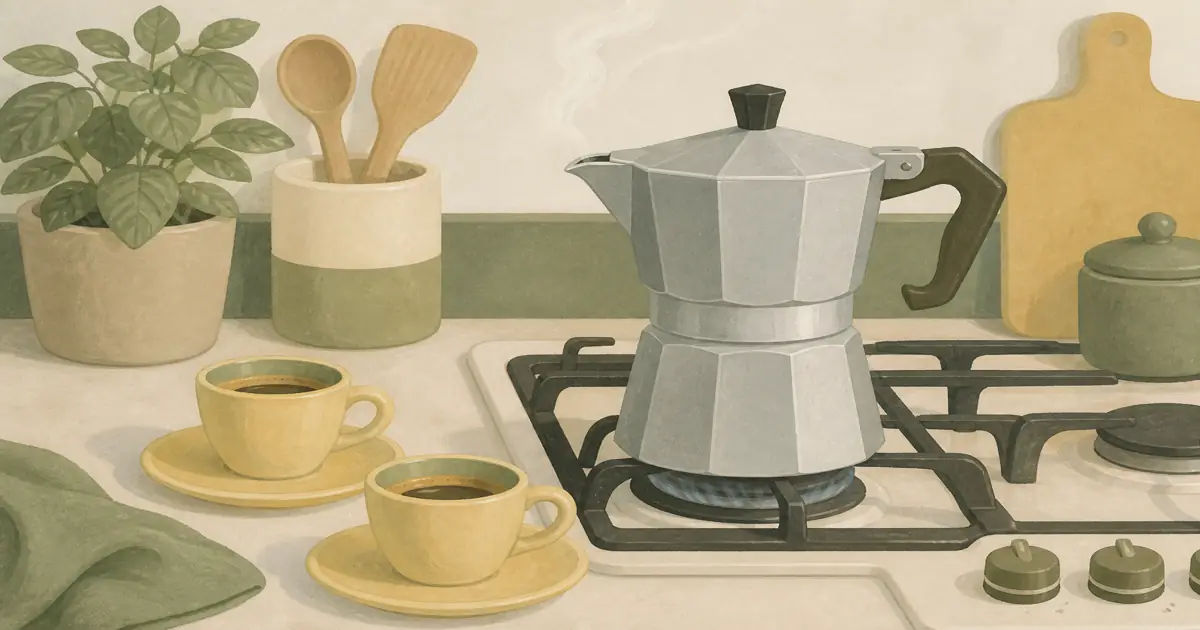
The short answer: The Bialetti Moka Express 6-cup is the best moka pot for most US stovetops. Pick the 3-cup if you brew solo. Fill water to the valve, fill the funnel without tamping, and use medium-low heat until it gurgles.
Our picks
A moka pot is a stovetop brewer with a boiler, a funnel of ground coffee, and a top chamber. Steam pressure pushes water through the coffee. The cup is stronger than drip and not the same as pump espresso. If you want real espresso, start with an espresso machine. If you want a cheap, sturdy stovetop habit, this is the tool.
Picks here are research-based from the live US listings and a long buyer record. We are not pretending we ran a 40-pot lab test.
Why the 6-cup is the hero
The Bialetti Moka Express 6-cup is the shape people picture. Octagonal aluminum boiler, the little man logo, a gasket you can replace when it eventually hardens. That service path matters more than a no-name pot that looks similar for a year.
Six “cups” is a small pot of coffee, not a party urn. It is a good size for two people who drink short cups, or one person who wants a mug with a splash of milk.
Use it on gas or electric coil. Keep the flame under the base, not licking the handle. When it starts to gurgle and spit pale foam, pull it off the heat. Residual heat finishes the last of the brew. Leaving it on until it screams is how you get that burned-metal taste people blame on “moka” itself.
When the 3-cup is the smarter buy
The Bialetti Moka Express 3-cup is the same design, smaller boiler. Solo drinkers waste less coffee and wait less time. Couples who both want a full mug will empty it too fast and feel cheated.
If you are unsure, buy the 6-cup. Underfilling a large moka pot to “make it smaller” is a bad habit. These pots want a full funnel and water to the valve.
Heat, water, and a clean first brew
Fill the boiler with water up to, not over, the safety valve. Use water just off the boil if you want a slightly faster, cleaner start, or cold water if you like a slower climb. Either works if the heat stays moderate.
Insert the funnel. Fill it with medium-fine grounds. Level with a finger. Wipe the rim so grounds do not sit in the threads. Screw the top on firmly, using the body, not the handle as a wrench.
Set it on a burner that matches the base. Medium-low. Stay nearby. When coffee starts to rise, you can park the base in a splash of cold water or just take it off the stove to stop the harsh last sputter.
First-use aluminum can taste metallic. Run a couple of throwaway brews with cheap coffee, or at least rinse well. Do not wash with perfume soap. A hot water rinse is the usual care. Soap in the gasket tastes like soap for a week.
Grind and beans without a lecture
A burr grinder helps. Pre-ground “moka” bags work if they are fresh. Grocery espresso grind is often too fine and clogs. Drip grind is often too coarse and tastes weak.
Medium-dark roasts are the traditional match. Light roasts can taste thin and sour in a moka pot. You can use them. You may not love them.
If you already brew French press or pour over, keep those for brighter cups. Moka is the heavier weekday option when you do not want to pull espresso.
Gaskets, valves, and the boring maintenance
Replace the gasket when steam leaks from the sides or the brew gets weak. Cheap three-packs exist. A clogged safety valve is the actual safety issue. Keep it clear. Never run the pot without water.
Aluminum pits if you leave wet grounds in the funnel for days. Empty it after breakfast. Dry the parts before you screw it back together.
Bitter, sour, and sputter problems
Bitter and burned usually means the heat stayed on too long, or the grind was too fine. Pull the pot sooner. Drop the flame. Coarsen a click.
Sour and thin usually means the grind was too coarse, the funnel was underfilled, or you yanked it before coffee finished rising. Fill the funnel. Give it the last quiet moment, then take it off before the angry hiss.
If steam leaks at the seam, the gasket is tired or coffee is in the threads. Clean the rim. Replace the rubber if it is flattened or cracked. A leaking pot will never brew right, and it can scald.
Sputtering pale foam at the end is normal. A violent geyser from the start is not. That often means the funnel is packed or the grind is espresso-fine. Dump it, rinse, and start looser.
Milk drinks work. Brew the moka, pour into a mug, add steamed or frothed milk. It is not a latte from a machine wand, but it is a solid kitchen cappuccino-style cup.
Induction, steel, and what we are not picking as the hero
Classic Express aluminum will not heat on induction. Stainless moka pots exist for those cooktops. If your kitchen is induction-only, do not force the aluminum hero. Buy a stainless model that names induction on the listing, and keep the same fill-and-heat habits.
We kept the hero on the aluminum Express because that is the pot most people search for, and the replacement-parts path is the most proven.
Bottom line
The best moka pot is a Bialetti Express in a size you will fill. 6-cup for most counters, 3-cup for one person. Medium-low heat, no tamp, pull it when it gurgles. It will not replace espresso. It will make a strong stovetop cup with almost no counter footprint.
More brew options live on the blog. The homepage has machines if you decide you want a pump after all.
Frequently Asked Questions
What is the best moka pot for most homes?
The Bialetti Moka Express 6-cup. It is the size most people mean when they say moka pot. Buy the 3-cup if you only ever brew for yourself.
Are moka pot cups the same as mug cups?
No. A “6-cup” moka pot is about 8 to 10 ounces of coffee, not six American mugs. Think small cups, not diner mugs.
Can I use a moka pot on induction?
The classic aluminum Express needs an induction adapter plate. Stainless moka pots exist for induction cooktops. Do not run aluminum on induction and hope.
What grind should I use?
Slightly coarser than espresso, finer than drip. Table-salt-adjacent. Too fine clogs the funnel and tastes bitter. Too coarse tastes thin and watery.
Do I tamp the coffee?
No. Fill the funnel level and wipe the rim. Tamping can block the safety valve path and make a mess.